Why Palliative Care and Quality of Life Should Be a Healthcare Priority
Healthcare has traditionally focused on one primary goal cure. From diagnosis to treatment, every effort is directed toward eliminating disease and…
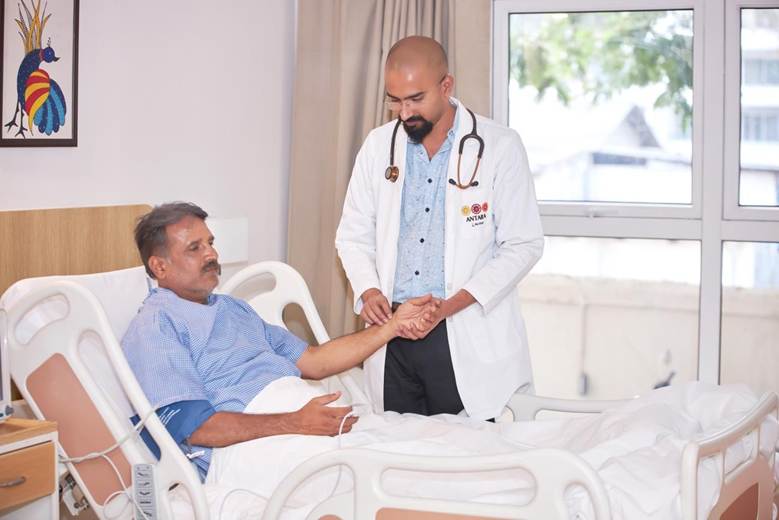
Healthcare has traditionally focused on one primary goal cure. From diagnosis to treatment, every effort is directed toward eliminating disease and extending life. While this approach has saved countless lives, it does not always address a critical question: How well is a person living during illness?
As India faces a growing burden of chronic and life-limiting conditions, this question is becoming increasingly important. It is no longer enough to measure success only in terms of survival. Healthcare must also prioritize comfort, dignity, and daily well-being. This is where palliative care becomes central to modern healthcare thinking.
Moving Beyond Cure to Comfort
For patients dealing with chronic illnesses such as cancer, heart disease, neurological disorders, or advanced age-related conditions, the focus often shifts over time. Aggressive treatment may not always lead to meaningful recovery. In many cases, it adds physical strain, emotional stress, and repeated hospital interventions without improving everyday life.
In such situations, palliative care offers a more balanced and humane approach. It focuses on reducing suffering, managing symptoms, and improving the overall experience of living with illness. Instead of focusing only on disease outcomes, it focuses on the person.
This approach does not replace treatment. Instead, it complements it. Pain and palliative care ensures that even when cure is uncertain, comfort remains a priority. Patients are supported not just medically, but emotionally and psychologically as well.
Globally, healthcare systems are increasingly recognizing this shift. According to the World Health Organization, early integration of palliative rehab support improves quality of life and reduces unnecessary medical interventions. This reflects a broader move toward patient-centric care.
The Role of Pain and Palliative Care in Everyday Life
For many patients, the biggest challenge is not just the illness itself, but the symptoms that accompany it. Persistent pain, fatigue, breathlessness, and reduced mobility can significantly impact independence and emotional well-being.
This is where pain and palliative care becomes essential. It focuses on proactive symptom management, ensuring that discomfort is controlled before it escalates. Patients receive continuous monitoring and timely intervention, which helps maintain stability.
Over time, this leads to visible improvements. Patients sleep better, feel less anxious, and regain some control over their daily routines. Even small changes like being able to sit comfortably or engage in conversation make a meaningful difference. You should select the best palliative recovery rehabilitation for your loved ones.
Unlike episodic care, pain and palliative care is continuous and adaptive. It evolves with the patient’s condition and ensures that care remains aligned with their needs.
Why Palliative Care in Hospital Alone Is Not Enough
Hospitals are designed for acute care emergencies, surgeries, and specialized treatment. While palliative care in hospital settings is critical during certain phases, they are not always suited for long-term, comfort-focused care.
Extended hospital stays can be physically exhausting and emotionally draining. The clinical environment, lack of familiarity, and disruption of routine can add to patient discomfort. Frequent hospital visits also create logistical challenges for families.
For long-term conditions, patients need stability and continuity. This is why care must extend beyond palliative care in hospital and into environments where support is available consistently, without disruption.
The Importance of Structured Care Environments
In India, terms like Care Home, Old age Homes, and senior homes are often used interchangeably, especially when referring to premium, professionally managed residential care setups.
What matters most is not the terminology, but the quality and structure of care being delivered. A well-managed Care Home or structured environment ensures that palliative care is provided consistently, with a focus on both comfort and clinical support.
These environments bring together:
- Continuous monitoring
- Trained caregivers and nursing staff
- Access to medical supervision
- A comfortable, non-clinical setting
This balance allows patients to receive effective pain and palliative care while maintaining a sense of normalcy and dignity.
A Real-Life Perspective on Dignified Care
A family caring for an elderly parent with a serious illness initially relied heavily on hospital visits. The patient experienced frequent discomfort, and pain management was inconsistent. Daily life became unpredictable, with constant anxiety about the next medical emergency.
With the introduction of structured palliative care, the focus shifted. Pain was managed more effectively, symptoms were controlled proactively, and the patient began to experience greater comfort.
In the final phase, care was centered around dignity. There were no unnecessary interventions or repeated hospital admissions. Instead, the patient remained in a calm, supportive environment where comfort was prioritized. Pain was controlled, emotional support was available, and the family was able to spend meaningful time together.
This reflects the true value of pain and palliative care it transforms not just medical outcomes, but the overall experience of care.
Why Choosing the Right Provider Matters
As awareness of palliative care grows, the importance of choosing the right provider becomes increasingly clear. Not all setups offering Old age Homes or senior homes are equipped to manage complex medical needs.
Families should prioritize established providers with a strong track record. An experienced provider brings:
- Standard operating procedures (SOPs)
- Clinical protocols for consistency
- Trained staff with geriatric expertise
- Wider network of medical support
- Strong emergency response systems
These elements ensure that pain and palliative care is delivered reliably and safely. Without such structure, care becomes reactive and inconsistent.
In India, organized players are working towards building such ecosystems. For example, Antara Care Homes, part of a larger established group, offers professionally managed environments with better infrastructure, standardized protocols, and continuous care support across key cities.
FAQs: Palliative Care and Quality of Life
- Why is palliative care important for quality of life?
Palliative care focuses on comfort, dignity, and emotional well-being. It ensures that patients live better, even when dealing with serious illnesses.
- Can palliative care be provided outside hospitals?
Yes. While palliative care in hospital is important for acute situations, long-term pain and palliative care is often more effective in structured environments like Care Home, Old age Homes, or senior homes.
- When should palliative care be considered?
Palliative care should be considered as soon as a serious illness begins to impact daily life. Early pain and palliative care leads to better symptom management and improved comfort.
Conclusion: Redefining Healthcare with Palliative Care
Healthcare is evolving. The focus is no longer limited to curing disease it is expanding to include how patients live through illness.
By prioritizing palliative care, integrating pain and palliative care into everyday treatment, and moving beyond dependence on palliative care in hospital alone, India can build a more compassionate and complete healthcare system.
Because in the end, the true goal of healthcare is not just to extend life but to ensure that it is lived with dignity, comfort, and meaning.