Sativa vs Indica: A Practical Cannabis Shopping Guide
Begin your cannabis shopping with our Sativa vs Indica guide. Learn the differences and make informed choices today.
Exploring cannabis products can become much simpler when shoppers understand the terminology used to describe different varieties. The traditional Sativa vs Indica comparison is often one of the first distinctions encountered while browsing cannabis products. These categories provide broad information about plant genetics and characteristics, while details such as cannabinoid content, terpene composition, product format, and cultivar information offer a more complete view of individual options.
Jump To
- Begin With the Traditional Category
- Look at the Specific Cultivar
- Review the Cannabinoid Profile
- Pay Attention to Terpene Information
- Consider the Product Format
- Explore Flower Characteristics
- Understand the Role of Hybrid Varieties
- Compare Aroma and Flavor Descriptions
- Use Several Details Together
- Build Knowledge Through Product Exploration
- Why Traditional Labels Remain Useful
- Conclusion
Begin With the Traditional Category
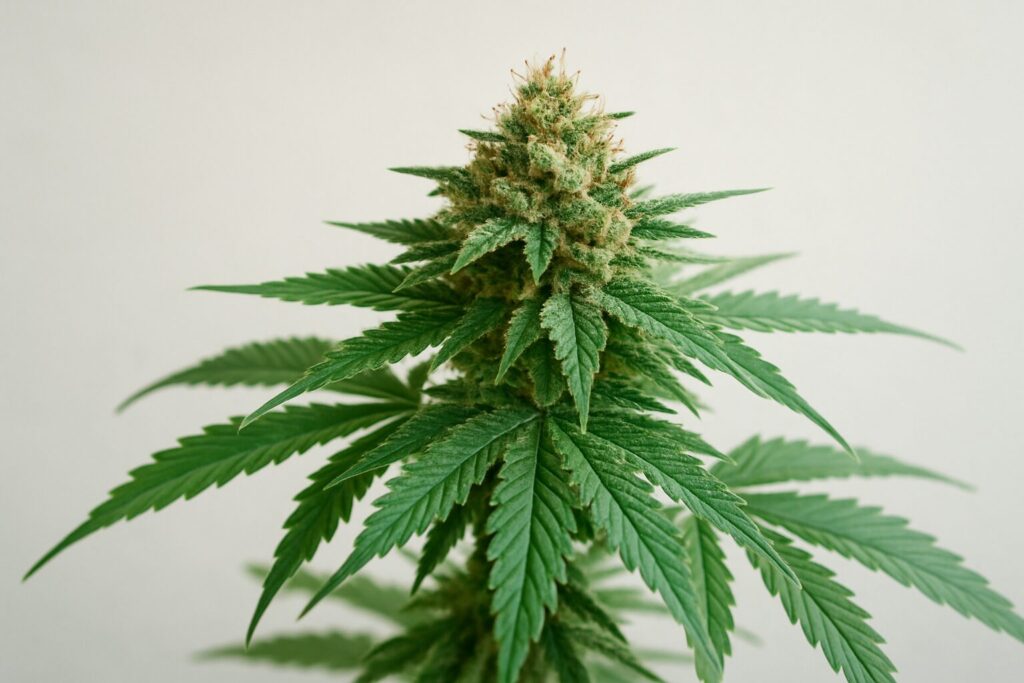
Sativa and indica are long-established terms used to describe broad cannabis classifications. Traditional sativa plants are generally associated with taller structures, narrower leaves, and more open growth. Indica plants are commonly linked with shorter structures, broader leaves, and compact development.
For shoppers, these descriptions can provide an initial point of reference when reviewing a large selection of cannabis products.
Look at the Specific Cultivar
A category label is only one part of a product’s identity. Individual cultivars can have distinct genetic backgrounds that influence their appearance, aroma, flavor, flowering characteristics, and cannabinoid production.
Reading the cultivar information can therefore add useful detail to the basic sativa or indica classification. This is particularly relevant in today’s market, where extensive breeding has produced a wide range of cannabis varieties.
Review the Cannabinoid Profile
Cannabinoid information provides measurable details about a cannabis product. THC and CBD are two of the most commonly identified cannabinoids, and their concentrations can vary significantly between products.
A shopper comparing several options can use this information to understand differences in chemical composition. Looking at cannabinoid details alongside traditional classifications provides a broader product overview.
Pay Attention to Terpene Information
Terpenes contribute to the distinctive aroma and flavor of cannabis. Different cultivars can contain different combinations of aromatic compounds, creating a wide variety of sensory profiles.
Commonly recognized terpene names include limonene, myrcene, pinene, and caryophyllene. Product descriptions that include terpene information can help shoppers identify varieties with particular aromatic or flavor characteristics.
Consider the Product Format
Cannabis products are available in multiple formats, and the format can influence which details are most relevant during shopping.
Flower allows shoppers to examine visual characteristics and aroma, while pre-rolls provide a convenient flower-based option. Concentrates and other processed products may place greater emphasis on cannabinoid concentrations and terpene information.
Understanding the format helps shoppers organize the information presented in each product description.
Explore Flower Characteristics
For those interested in cannabis flower, visual details can provide additional context. Bud shape, density, color, trichome coverage, and texture may vary from one cultivar to another.
Traditional indica-associated genetics are often connected with compact flower structures, while sativa-associated genetics may demonstrate more elongated forms. Modern hybrid genetics, however, can create considerable variation between these traditional descriptions.
Understand the Role of Hybrid Varieties
Hybrid cannabis has expanded the selection beyond a simple two-category approach. Hybrids combine genetics from different lineages and may demonstrate characteristics traditionally associated with both sativa and indica.
This means shoppers can encounter products with a broad range of appearances, aromas, flavors, terpene profiles, and cannabinoid compositions. Hybrid varieties add another dimension to modern cannabis exploration.
Compare Aroma and Flavor Descriptions
Aroma and flavor can be important characteristics when exploring different cannabis products. Descriptions may include citrus, fruit, earth, pine, floral, herbal, or spicy notes.
These characteristics are closely connected with terpene composition and can vary even among products carrying the same traditional classification. Comparing sensory descriptions can therefore make product selection more detailed.
Use Several Details Together
A practical shopping approach combines multiple pieces of information rather than focusing on a single label. Category, cultivar, THC and CBD content, terpene profile, product format, appearance, aroma, and flavor can all contribute to a complete product picture.
This broader method is especially useful because modern cannabis genetics frequently blur the traditional boundaries between sativa and indica.
Build Knowledge Through Product Exploration
Becoming familiar with cannabis terminology can make future shopping experiences more straightforward. As shoppers explore different products, they can recognize recurring terms and identify characteristics that interest them.
Keeping track of preferred aromas, flavors, cannabinoid profiles, and product formats can also create a more personalized approach to discovering new varieties.
Why Traditional Labels Remain Useful
Sativa and indica continue to provide accessible language for discussing cannabis varieties. They offer a foundation for understanding broad botanical differences while leaving room for the more detailed characteristics found in modern products.
Used together with cultivar, cannabinoid, terpene, and format information, these traditional classifications can help shoppers understand the wide range of choices available.
Conclusion
A practical approach to cannabis shopping begins with understanding traditional sativa and indica classifications and then looking deeper into individual product characteristics. Genetics, cannabinoids, terpenes, product format, aroma, flavor, and flower appearance can all contribute valuable information. Modern hybrid varieties further expand the available selection, creating a diverse cannabis landscape. By considering these details together, shoppers can approach cannabis products with greater knowledge and appreciation for the variety available today.
Key Takeaways
- The traditional classifications of Sativa and Indica offer basic insights into cannabis plant genetics and growth characteristics.
- Individual cultivars within Sativa and Indica categories can have unique genetic backgrounds that affect their appearance, aroma, and cannabinoid production.
- Cannabinoid profiles, including THC and CBD concentrations, vary between products and provide crucial information for shoppers comparing options.
- Terpenes, which contribute to cannabis aroma and flavor, can differ significantly between cultivars, affecting the overall sensory experience.
- Modern hybrid varieties combine genetics from both Sativa and Indica plants, leading to a diverse range of product characteristics.
- A comprehensive approach to cannabis shopping involves examining various factors such as category, cultivar, cannabinoid content, and terpene profiles.