Plastic-Degrading Enzyme Offers Proven Hope for Recycling
Plastic-degrading enzyme discovery offers hope for recycling efforts and reducing pollution.
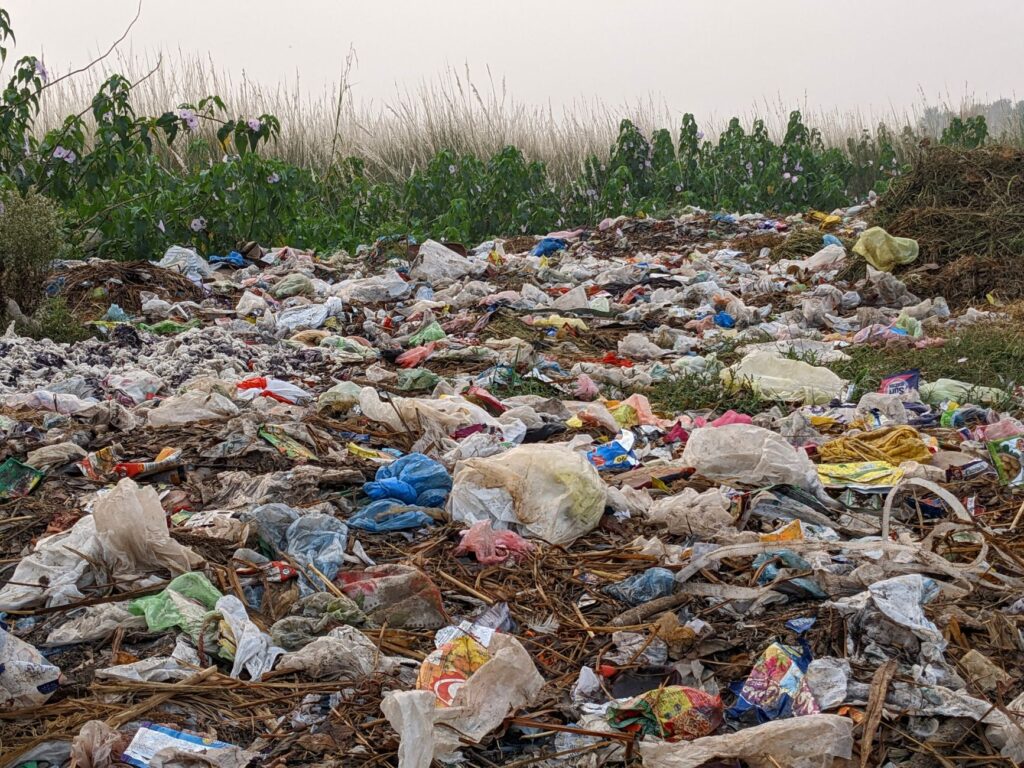
The plastic-degrading enzyme is a groundbreaking discovery that could revolutionize recycling and waste management. This novel enzyme, found in bacteria, presents a promising solution to the plastic pollution crisis.
What is the plastic-degrading enzyme?
The discovery of a plastic-degrading enzyme represents a significant breakthrough in the fight against plastic pollution. This enzyme, found in certain bacteria, has the remarkable ability to break down common plastics such as PET, which is used in bottles and containers. Researchers have identified that these enzymes can accelerate the degradation process, potentially transforming how we recycle plastic.
In laboratory settings, the enzyme has demonstrated efficiency in breaking down plastic into its basic components, which can then be repurposed for new products. This innovative approach not only aims to reduce the accumulation of plastic waste but also offers a more sustainable recycling method.
As the world grapples with the environmental challenges posed by plastic waste, the development and application of this plastic-degrading enzyme could pave the way for more effective recycling solutions in the future.
How was the enzyme discovered?
The discovery of the plastic-degrading enzyme took place in a surprising environment. Scientists found it in a species of bacteria that had adapted to consume plastic waste, particularly polyethylene terephthalate (PET). This groundbreaking finding emerged from a research initiative aimed at exploring microbial life in contaminated sites.
Researchers isolated the enzyme through a process that involved screening various bacterial strains. They screened thousands of samples, focusing on those that thrived in environments heavily polluted with plastic. After extensive testing, a team identified a specific strain capable of breaking down PET efficiently.
This novel plastic-degrading enzyme exhibits remarkable properties, allowing it to degrade plastic into its basic components within just a few days. The implications for recycling and waste management are profound, offering a sustainable solution to one of the planet’s most pressing environmental challenges.
Potential applications of the enzyme
The plastic-degrading enzyme has shown remarkable potential in various applications that could revolutionize waste management and recycling processes. Researchers are exploring its use in:
- Industrial Recycling: The enzyme can break down plastics into their fundamental components, making it easier for manufacturers to recycle materials effectively.
- Biodegradable Plastics: By integrating the enzyme into the production of new bioplastics, products could be designed for easier degradation, reducing long-term environmental impact.
- Waste Treatment Facilities: The enzyme could be utilized in treatment plants to enhance the breakdown of plastic waste, thus improving overall waste management strategies.
- Environmental Remediation: Its application may extend to cleaning up plastic pollution in oceans and other ecosystems, providing a sustainable solution to plastic contamination.
Overall, the plastic-degrading enzyme represents a significant step forward in addressing global plastic waste challenges.
Impact on plastic pollution
The discovery of the plastic-degrading enzyme has significant implications for tackling the growing issue of plastic pollution. As the world grapples with the environmental consequences of plastic waste, this enzyme presents a viable solution for enhancing recycling processes. By breaking down complex plastic polymers, the enzyme offers a pathway to transform waste into reusable materials, thereby reducing the volume of plastic in landfills and oceans.
Experts believe that the widespread application of this enzyme could lead to a substantial decrease in plastic pollution levels. Its ability to degrade various types of plastics efficiently means that industries could incorporate it into existing recycling systems, resulting in a more sustainable approach to plastic waste management.
Moreover, this breakthrough highlights the potential of biotechnological innovations in addressing environmental challenges and underscores the importance of further research and development in this field.
Challenges in enzyme implementation
Despite the promising potential of the plastic-degrading enzyme, several challenges remain in its implementation. The enzyme’s efficacy in various environmental conditions is still under investigation, raising concerns about its performance in real-world scenarios.
Additionally, scaling up production to meet industrial demands poses logistical and financial hurdles. Developing cost-effective methods to harvest and purify the enzyme is essential for widespread application in recycling facilities.
There are also regulatory hurdles to navigate, as the introduction of genetically modified organisms into ecosystems must be carefully managed to prevent unintended consequences.
Finally, public awareness and acceptance of using such enzymes in waste management need to be enhanced to facilitate their integration into current recycling practices.
Overall, overcoming these challenges is crucial for the successful deployment of the plastic-degrading enzyme and its role in mitigating plastic pollution.
Future research directions
Future research directions for the plastic-degrading enzyme focus on several key areas to enhance its effectiveness and accessibility. Scientists aim to:
- Improve enzyme efficiency: Further studies will look into optimizing the enzyme’s activity under various environmental conditions.
- Scale production: Developing cost-effective methods for large-scale production is essential for practical applications in recycling industries.
- Understand enzymatic mechanisms: Delving deeper into the molecular structure of the enzyme can reveal ways to enhance its plastic-degrading capabilities.
- Explore synergistic effects: Combining this enzyme with other biological agents may lead to even more effective plastic breakdown processes.
These research avenues not only promise to advance our understanding of the plastic-degrading enzyme but also hold the potential to significantly mitigate the ongoing plastic pollution crisis.
Conclusion on enzyme’s promise
The promise of the plastic-degrading enzyme represents a significant advancement in the fight against plastic pollution. As researchers continue to explore its capabilities and applications, the potential for this enzyme to revolutionize recycling processes becomes increasingly evident.
The enzyme not only offers a sustainable solution to managing plastic waste but also highlights the importance of biological solutions in addressing environmental challenges.
However, it is essential to consider the challenges ahead, including scaling production and ensuring effective implementation in various recycling systems.
Future research will play a crucial role in overcoming these hurdles and maximizing the enzyme’s impact. With continued investment and innovation, the plastic-degrading enzyme may indeed pave the way for a cleaner, more sustainable future, transforming the way we understand and manage plastic waste.
Photo by Sohail Nawaz on Pexels