Building Playable, Durable Courts for a Climate That Never Slows Down
Florida has a personality of its own. The sun is bright, the rain can be sudden, and the humidity rarely takes a day off. For sports facilities,…
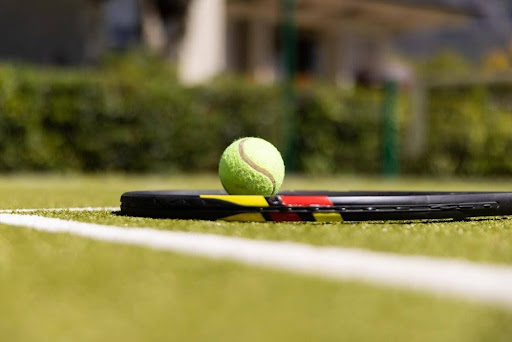
Florida has a personality of its own. The sun is bright, the rain can be sudden, and the humidity rarely takes a day off. For sports facilities, especially modern padel courts, this environment creates both opportunity and challenge making artificial turf for padel courts in Florida a practical solution for maintaining consistent play despite changing weather conditions. Players want surfaces that feel great underfoot, clubs want installations that last, and owners want smart investments that don’t turn into maintenance headaches.
This is where surface selection becomes more than a technical decision, it becomes the foundation of the entire playing experience. Let’s explore how thoughtful choices in court surfaces can transform padel facilities in Florida into reliable, high-performance spaces that players love coming back to.
Why Surface Choice Defines the Game Experience
Every sport has a silent partner: the ground beneath the players’ feet. In padel, this partner plays a huge role in ball bounce, player movement, and injury prevention.
Unlike traditional grass or hard courts, modern synthetic solutions are engineered to deliver consistency. They reduce unpredictable bounces, offer controlled grip, and create a level playing field, literally and figuratively. For Florida, where natural grass struggles to survive year-round play without heavy upkeep, these surfaces offer a practical alternative.
A well-chosen surface ensures:
- Smooth, predictable ball response
- Reduced strain on joints
- Reliable performance across seasons
When players feel confident about the surface, their focus shifts from footing to strategy and that’s where the real magic of the game happens.
Florida’s Climate: A Test of Endurance for Any Court
Florida courts face daily exposure to UV rays, frequent rain showers, and high humidity. These conditions can be unforgiving, especially for outdoor facilities.
Poor-quality materials may fade, flatten, or hold water, leading to slippery conditions and uneven play. Over time, this not only affects performance but also safety and appearance. That’s why facility planners increasingly look for surfaces designed to handle extreme conditions without constant repair.
The goal isn’t just to survive the climate, it’s to work with it. Proper drainage systems, UV-resistant fibers, and resilient base layers all contribute to surfaces that perform reliably, even after heavy rain or long sunny spells.
From Traditional Lawns to Modern Sports Surfaces
Natural grass once dominated outdoor sports. It looks great when freshly maintained, but it demands time, water, and regular care. In high-traffic sports environments, grass quickly wears down, leaving uneven patches and muddy areas.
Modern alternatives, such as turf for grass, replicate the look of a green court while eliminating most of the downsides. These surfaces don’t need watering, mowing, or fertilizing, yet they maintain a consistent playing quality throughout the year.
For padel facilities, this shift isn’t just about convenience, it’s about reliability. Players expect the same experience on every visit, whether it’s the first match of the day or the last.
Designing Surfaces That Support Speed and Control
Padel is a fast-paced sport that blends reflexes, strategy, and agility. The surface must support quick directional changes while offering enough grip to prevent slips.
Well-designed court surfaces strike a balance:
- Too much grip can stress joints
- Too little grip increases injury risk
Advanced materials are engineered to provide controlled traction, allowing players to slide slightly when needed while maintaining stability. This balance is especially important in Florida, where moisture levels can fluctuate rapidly.
By choosing surfaces built for performance, clubs can ensure that both beginners and advanced players enjoy the same confidence underfoot.
The Long-Term Value of Quality Installation
A court surface is only as good as its installation. Even the best materials can fail if the foundation isn’t properly prepared.
Professional installation considers:
- Ground leveling and compaction
- Drainage design to prevent water pooling
- Correct infill distribution for consistent play
For padel courts, precision matters. Small inconsistencies can affect ball bounce and player movement. Investing in proper installation upfront reduces maintenance costs and extends the lifespan of the court.
Over time, this attention to detail translates into fewer disruptions, happier players, and stronger returns on investment.
Sustainability and Smart Resource Use
Florida’s growing focus on sustainability has influenced how sports facilities are designed. Water conservation, reduced chemical use, and energy efficiency are no longer optional, they’re expected.
Synthetic court surfaces support these goals by:
- Eliminating the need for daily watering
- Reducing reliance on fertilizers and pesticides
- Minimizing maintenance equipment use
For clubs and communities, this means lower operating costs and a smaller environmental footprint, without sacrificing quality or aesthetics.
Creating a Consistent Player Experience Across Locations
As padel continues to grow in popularity, consistency becomes important, especially for clubs with multiple locations or those hosting tournaments.
Using standardized, high-quality surfaces ensures that players know what to expect, regardless of where they play. This consistency builds trust and strengthens a club’s reputation within the padel community.
Facilities across Florida are increasingly turning to artificial turf for padel courts in Florida to achieve this uniformity while adapting to local climate demands.
Maintenance That Fits a Busy Schedule
One of the biggest advantages of modern padel surfaces is how little time they demand. Routine maintenance usually involves light brushing and occasional inspections rather than intensive care.
This simplicity allows facility managers to focus on:
- Player engagement
- Events and tournaments
- Expanding services
Instead of worrying about worn-out patches or muddy corners, owners can concentrate on growing their community and enhancing the overall experience.
Conclusion
In Florida’s demanding climate, building great padel courts means thinking beyond appearances. It’s about durability, performance, and creating spaces where players feel confident and excited to play.
Facilities that prioritize smart surface choices, balancing comfort, resilience, and sustainability, set themselves apart in a growing market. And when those choices are guided by experienced partners who understand both the sport and the environment, the results speak for themselves.
For clubs and developers exploring long-term solutions for high-performance padel courts, trusted providers like Padel Factory offer the expertise and insight needed to turn ambitious plans into courts that truly stand the test of time.