From Obsolete to Opportunity: Recycling Redefined in Dubai
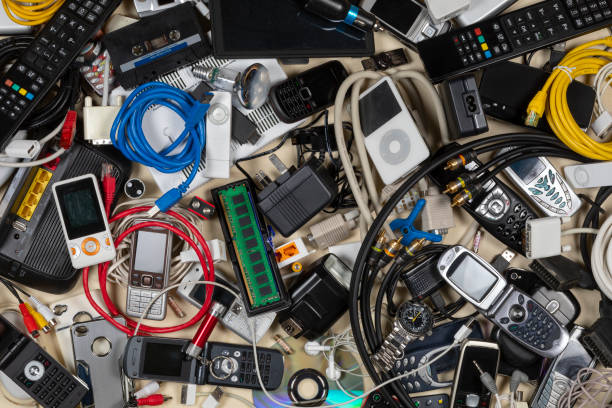
The Changing Reality of Electronic Waste
Dubai’s rapid digital adoption has transformed how people live, work, and consume technology. From smartphones and laptops to industrial electronics, devices are replaced faster than ever, creating a parallel rise in discarded equipment. This shift has made electronic waste one of the fastest-growing waste streams in the region.
Within this evolving landscape, identifying the best E-waste company in Dubai becomes critical not just for compliance but for environmental responsibility and long-term sustainability. E-waste is no longer a peripheral concern; it now sits at the intersection of urban development, environmental policy, and corporate accountability.
The challenge is not simply about disposal. Electronic waste contains recoverable metals, reusable components, and hazardous substances that require controlled handling. Without structured recycling systems, these materials can contaminate land, air, and water.
Dubai’s approach to sustainability has therefore placed increasing emphasis on regulated, traceable, and environmentally sound e-waste management.
Understanding What Makes E-Waste Different
Electronic waste differs fundamentally from general waste because of its complexity. Each device contains a mix of plastics, metals, circuit boards, and chemicals, all of which behave differently during disposal. Treating e-waste like ordinary scrap results in environmental damage and lost resource value. Effective recycling begins with understanding this complexity and designing processes that can separate, recover, and neutralize materials responsibly.
Hazardous Components and Environmental Risk
Many electronic devices contain substances such as lead, mercury, cadmium, and brominated flame retardants. When dumped in landfills or dismantled improperly, these materials can leach into soil and groundwater. Over time, this contamination poses risks to public health and ecosystems. Proper e-waste handling focuses on isolating these hazardous elements and ensuring they are treated or disposed of according to environmental standards.
Resource Recovery and Material Value
Beyond risk, e-waste also represents opportunity. Circuit boards contain precious metals like gold, silver, and copper, while plastics and aluminum can be reprocessed for industrial use. Responsible recycling extracts these materials efficiently, reducing the need for virgin mining and lowering overall carbon impact. This recovery-driven mindset is what distinguishes modern e-waste management from outdated disposal practices.
Dubai’s Regulatory and Sustainability Framework
Dubai’s environmental policies increasingly recognize electronic waste as a strategic concern. Regulations encourage structured recycling, licensed operators, and transparent waste tracking. Businesses, especially those in technology, healthcare, and manufacturing, are now expected to demonstrate responsible disposal practices as part of broader sustainability commitments.
Compliance and Corporate Responsibility
For organizations operating in Dubai, e-waste compliance is no longer optional. Audits, certifications, and reporting requirements push companies to partner with professional recyclers rather than informal handlers. This shift protects corporate reputations while aligning operations with environmental goals. Responsible e-waste management also supports ESG frameworks, which are becoming essential for investor confidence and global partnerships.
Data Security as a Recycling Priority
Another critical aspect of e-waste in Dubai is data protection. Discarded electronics often contain sensitive business or personal information. Secure data destruction is therefore a core requirement of professional recycling. Certified processes ensure that storage devices are wiped or destroyed beyond recovery, protecting organizations from data breaches while enabling safe material recovery.
The Operational Process Behind Responsible Recycling
Effective e-waste recycling follows a structured, multi-stage process designed to maximize recovery while minimizing harm. Each stage requires technical expertise, controlled environments, and adherence to safety protocols.
Collection and Segregation
The process begins with organized collection, often from corporate facilities, warehouses, or designated drop-off points. Devices are sorted based on type, condition, and material composition. This segregation allows recyclers to decide whether equipment is suitable for refurbishment, component reuse, or material extraction. Early-stage sorting is critical for efficiency and safety.
Dismantling and Material Separation
Once sorted, devices are dismantled manually or mechanically. Components such as batteries, circuit boards, plastics, and metals are separated. Hazardous parts are isolated immediately to prevent contamination. This stage requires trained personnel and specialized tools, as improper dismantling can release toxins or damage recoverable materials.
Recycling and Safe Disposal
Recovered materials are processed through approved recycling channels. Metals are refined, plastics are reprocessed, and non-recyclable hazardous waste is disposed of in compliance with environmental regulations. Documentation at this stage ensures traceability, giving businesses proof that their electronic waste was handled responsibly.
The Broader Impact of E-Waste Recycling in Dubai
Responsible e-waste management contributes to Dubai’s broader sustainability vision. It reduces landfill pressure, conserves natural resources, and supports circular economy principles. By treating electronic waste as a recoverable resource rather than a burden, the city moves closer to long-term environmental resilience.
Recycling also has economic benefits. It creates specialized jobs, supports secondary material markets, and reduces dependency on imported raw materials. For businesses, structured e-waste recycling minimizes risk, ensures compliance, and demonstrates environmental leadership. These combined impacts reinforce why professional recycling systems are essential for a modern, tech-driven city.
The Role of Awareness and Responsible Disposal
Public and corporate awareness play a decisive role in improving e-waste outcomes. Many devices are still stored unused in homes or offices due to uncertainty around disposal options, while others are discarded without understanding their environmental impact.
Education helps bridge this gap by clarifying why electronics require specialized recycling and how improper disposal contributes to pollution and resource loss. For businesses, awareness extends beyond employees to procurement and IT planning, encouraging longer device lifecycles and responsible end-of-use strategies.
Clear internal policies, coupled with informed decision-making, reduce waste generation at the source. At a broader level, awareness fosters accountability, ensuring that electronic waste is handled through licensed and environmentally responsible channels. This cultural shift is essential for sustaining long-term recycling efforts and supporting Dubai’s transition toward a more circular and resource-efficient economy.
Summary: Turning Responsibility into Sustainable Action
As technology continues to evolve, managing E-waste in Dubai responsibly will remain a defining challenge for businesses and institutions alike. Structured recycling transforms discarded electronics into valuable resources while protecting the environment and public health.
In this ecosystem, Planet Green Recycling supports sustainable outcomes through responsible handling of items such as IT equipment, servers, networking devices, batteries, and electronic components. By aligning recycling practices with regulatory standards and environmental goals, organizations can turn obsolete technology into an opportunity for measurable, long-term sustainability.