Discover the Science Behind Home Massage for Maximum Relaxation

Modern lifestyles often involve prolonged sitting, repetitive tasks, and high stress levels, which can negatively affect both physical and mental health. Back-to-back work schedules, digital screen exposure, and limited opportunities for physical activity contribute to muscle tension, fatigue, and elevated stress hormones. While traditional spas provide relaxation, they may require travel, scheduling compromises, and exposure to public spaces, which can limit the restorative benefits. Home service massage in Dubai offers a scientifically backed solution by combining professional therapeutic techniques with the comfort and privacy of a familiar environment.
This guide explores the science behind home-based massage therapy, explaining how it works and the techniques that make it highly effective for stress relief, pain management, and improved body function.
Physiological Mechanisms Behind Muscle Relaxation
Physiological changes, including improved circulation, decreased muscle tension, and activation of the parasympathetic nervous system, work together to relieve physical stress.
- Enhanced Blood Flow and Oxygenation: Professional massage stimulates circulation, improving oxygen delivery to muscles and organs. Enhanced blood flow accelerates the removal of metabolic waste, reduces muscle soreness, and promotes tissue repair.
- Reduction of Muscle Tension and Stiffness: Scientific studies show that mechanical pressure from massage reduces the activity of contracted muscle fibers, facilitating relaxation. Techniques such as kneading, rolling, and compression trigger the release of muscle tension, improving flexibility and decreasing the risk of injury.
- Activation of Parasympathetic Nervous System: Massage triggers the parasympathetic response, which lowers heart rate, reduces cortisol, and promotes a calm state. This neurophysiological effect explains why individuals feel both physically and mentally relaxed after a session, making home-based therapy a powerful tool for stress management.
Neurological and Cognitive Effects
Massage therapy affects the nervous system in profound ways. By stimulating endorphin release, reducing stress hormone levels, and improving cerebral blood flow, at-home massage enhances mental clarity, focus, and overall cognitive performance.
- Endorphin Release and Pain Modulation: Applying pressure and rhythmic movements stimulates endorphin release, which naturally reduces pain perception. Trigger points and deep tissue techniques interrupt pain signaling pathways, providing effective relief from chronic tension or acute discomfort.
- Stress Reduction and Cortisol Regulation: Regular home massage has been shown to reduce cortisol levels, the body’s primary stress hormone. Lower cortisol improves mood, reduces anxiety, and enhances overall cognitive function, demonstrating the scientifically proven link between massage and emotional well-being.
- Improved Brain Function and Focus: By reducing stress and promoting relaxation, massage enhances blood flow to the brain and supports neurotransmitter balance. This results in improved concentration, clarity, and decision-making abilities, especially beneficial for individuals managing demanding schedules.
Personalized Therapy for Targeted Wellness
Every individual experiences tension and stress differently, which is why personalized massage therapy is crucial. Home-based sessions allow therapists to assess muscular imbalances, customize pressure, and select techniques tailored to individual needs.
- Assessment-Based Treatment: Home service massage begins with a thorough assessment of muscular and postural imbalances. Therapists identify tension patterns and areas prone to discomfort, ensuring that techniques are customized for maximum effectiveness.
- Tailored Pressure and Technique Selection: Each client’s threshold for pressure varies, and at-home therapy allows for individualized adjustment. Therapists select techniques such as Swedish strokes, myofascial release, or trigger point therapy based on the client’s condition, enhancing both relaxation and recovery.
- Focused Relief for Chronic Conditions: Individuals with lower back pain, neck stiffness, or repetitive strain injuries benefit from concentrated attention in a private environment. Targeted therapy in a home setting allows for precise muscle manipulation, promoting long-term relief and improving functional mobility.
Evidence-Based Techniques for Maximum Relaxation
Evidence-based methods, including Swedish massage, deep tissue therapy, trigger point therapy, and lymphatic drainage, are scientifically proven to relieve tension, improve circulation, and support immune function.
- Swedish Massage for Circulation and Calm: Gentle strokes improve blood flow, reduce tension, and stimulate the parasympathetic system. Swedish massage is particularly effective in promoting mental calmness while addressing superficial muscle tightness.
- Deep Tissue Therapy for Chronic Tension: Scientific research confirms that slow, firm pressure applied to deeper muscle layers reduces chronic stiffness and activates tissue remodeling. Deep tissue techniques help realign muscle fibers and enhance long-term flexibility.
- Trigger Point Therapy for Pain Relief: Trigger points are hyperirritable spots in muscles that cause referred pain. Applying focused pressure interrupts pain signals and relaxes surrounding tissues, providing immediate relief and improving mobility.
- Lymphatic Drainage for Detoxification and Immune Support: Gentle, rhythmic strokes stimulate lymph flow, aiding in toxin removal and immune function. Studies indicate that lymphatic massage supports tissue health and reduces fluid retention, contributing to a refreshed, lighter feeling after sessions.
Optimizing the Home Environment for Therapy
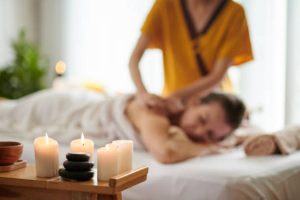
The setting in which massage occurs significantly influences its effectiveness. Factors such as controlled lighting, ambient temperature, aromatherapy, minimal noise, and ergonomic equipment create an environment that enhances parasympathetic activation and deep relaxation.
- Controlled Lighting and Temperature: Scientific studies show that low-intensity lighting and comfortable warmth enhance relaxation by stimulating the parasympathetic system. At home, clients can customize these factors to create an ideal therapeutic setting.
- Aromatherapy and Sensory Modulation: Essential oils like lavender and chamomile activate olfactory pathways associated with stress reduction. When combined with massage, these sensory cues increase relaxation and reinforce physiological benefits.
- Noise Management for Maximum Focus: Quiet environments improve the efficacy of therapy by reducing distractions. Music or white noise can be used strategically to support a meditative state and enhance mind-body connection.
- Ergonomic Equipment and Hygiene: Professional therapists bring portable massage tables, sanitized tools, and appropriate oils, ensuring comfort and safety. Maintaining proper ergonomics prevents strain for both therapist and client while replicating spa-level care at home.
Final Thoughts
The science behind massage at home reveals a precise interaction between physiological, neurological, and psychological processes that collectively maximize relaxation. By improving circulation, reducing muscle tension, regulating stress hormones, and supporting cognitive function, professional therapy at home provides measurable health benefits beyond conventional relaxation. Personalized techniques and controlled home environments make this approach highly effective for targeted pain relief, stress management, and overall wellness.
For those seeking a professional, evidence-based approach to seamlessly incorporate relaxation into their daily routine, Carval Health Spa offers expert massage care delivered directly to your home. By bringing highly trained therapists and science-backed techniques to your doorstep, they transform your living environment into a personalized wellness sanctuary.