iPhone Repair Service Prices Explained: What You’re Really Paying For
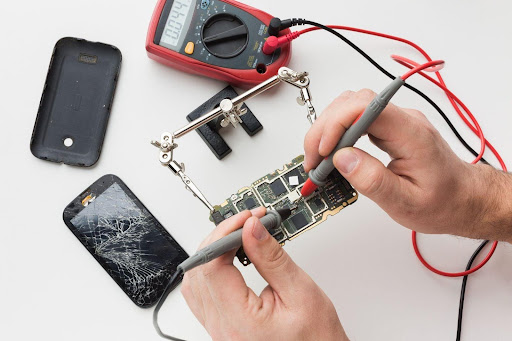
When an iPhone stops working as expected, the first concern for most users is cost. Repair pricing often appears inconsistent, leading to confusion and hesitation. In reality, iPhone repair service prices are shaped by multiple professional and technical factors that go far beyond a simple part replacement. A modern iPhone is a tightly integrated system where hardware, software, and micro-components must work in precise coordination. Repairing such a device requires careful evaluation, specialised tools, and experienced technical judgement. From initial diagnostics and component selection to repair execution and post-repair testing, each stage contributes to the final value you receive. Understanding these elements helps users look beyond surface-level pricing and recognise the professional standards, accountability, and long-term reliability built into a properly executed repair.
This blog explains what you are genuinely paying for when choosing a professional iPhone repair service, helping you assess pricing with clarity rather than assumption.
1. Diagnostic Accuracy and Technical Evaluation
Every professional iPhone repair begins long before a tool touches the device, with a structured diagnostic process that determines the true source of the problem.
- Structured fault analysis before repair: Professional services begin with systematic diagnostics using specialised tools and software. This process identifies the true cause of the issue rather than treating visible symptoms, ensuring that repairs are precise and effective.
- Complexity-based assessment time: Certain faults, such as intermittent power issues or network instability, require extended evaluation. The time invested ensures accurate solutions and prevents unnecessary component replacements that could increase long-term costs.
- Protection of internal systems and data: Proper diagnostics minimise risks to internal components and stored data. This careful approach reduces the likelihood of secondary failures, which is a critical yet often unseen cost factor.
This level of diagnostic precision ensures that repair costs reflect accuracy, prevention of future issues, and protection of the device’s internal integrity.
2. Quality of Replacement Components
The quality of components used during a repair plays a decisive role in both the performance of the iPhone and the overall pricing structure.
- Use of performance-grade parts: Professional repair services rely on components that meet strict performance and compatibility standards. These parts preserve screen clarity, battery efficiency, and overall device responsiveness after repair.
- Compatibility testing before installation: Each replacement part is tested for electrical stability and functional accuracy. This step ensures seamless integration with existing hardware and reduces the risk of future malfunctions.
- Longevity over short-term savings: Higher-quality components may increase upfront costs but significantly extend device lifespan. This balance between durability and performance plays a major role in professional pricing structures.
Paying for higher-grade parts ultimately means paying for reliability, consistency, and a device that continues to perform as intended over time.
3. Skilled Labour and Technical Expertise
Behind every successful iPhone repair is a technician whose skill set directly influences both repair quality and service pricing.
- Advanced repair skills and training: Modern iPhones feature tightly integrated micro-components. Technicians require specialised training to perform precision tasks such as micro-soldering and board-level repairs without damaging surrounding elements.
- Experience-driven efficiency: Skilled professionals complete repairs accurately within structured timelines, reducing trial-and-error approaches. This expertise ensures consistent results and protects device integrity.
- Investment in professional tools: Precision equipment, calibrated instruments, and anti-static workstations are essential for safe repairs. Maintaining these tools contributes to service costs while ensuring reliable outcomes.
This expertise transforms repair pricing into an investment in precision workmanship rather than a gamble on trial-and-error fixes.
4. Quality Control and Post-Repair Validation
A professional repair does not end once a component is replaced; it continues through comprehensive testing and validation.
- Multi-stage testing procedures: After repair, devices are tested across multiple stages to verify the proper functioning of hardware and software systems. This process confirms display accuracy, battery performance, connectivity stability, and overall system reliability before return.
- Identification of secondary issues: Post-repair evaluations often reveal underlying issues not directly linked to the original fault. Detecting and addressing these early helps prevent future disruptions and enhances the long-term reliability of the device.
- Consistency and reliability assurance: Comprehensive validation ensures the iPhone performs consistently under real-world usage conditions. This attention to detail builds confidence in the repair quality and reinforces trust in professional service standards.
Thorough post-repair checks ensure that the cost of service delivers dependable performance, not temporary functionality.
5. Warranty, Transparency, and Customer Assurance
True repair value is defined not only by the fix itself, but by the accountability that follows the service.
- Service-backed warranties: Reputable repair providers offer warranties covering both parts and workmanship to ensure post-repair confidence. This accountability demonstrates commitment to quality and shields customers from unexpected repeat costs.
- Clear communication and ethical pricing: Transparent explanations of repair scope, pricing structure, and limitations allow customers to make informed decisions. Clear communication removes uncertainty and builds trust throughout the repair process.
- Long-term value over minimal cost: Assessing repair services based on durability, safety, and performance leads to better long-term outcomes. Customers seeking the best iPhone repair service in Auckland often prioritise reliability and professional accountability over the lowest initial price.
This combination of transparency and warranty support ensures customers pay for confidence, not uncertainty.
Final Thoughts
Professional iPhone repair pricing represents a combination of diagnostic expertise, component quality, skilled labour, and post-repair assurance. Understanding these elements helps users recognise that iPhone repair service prices reflect value, not just cost. Choosing a service based on professionalism and transparency ensures device reliability, protects data integrity, and supports long-term performance while reducing the risk of repeat repairs or unexpected technical issues.
For those seeking dependable, standards-driven repair solutions, NZ Electronics Repair delivers expertise built on trust, precision, and accountability. With a strong focus on accurate diagnostics, quality components, and meticulous workmanship, they ensure every repair meets professional benchmarks. Customers benefit from transparent processes, consistent performance outcomes, and service reliability designed to protect both device longevity and user confidence.